
You received a stormwater Notice of Violation in San Antonio. Here's how the 30 days actually work.
The 30-day clock on a stormwater NOV starts the day the city issues it, not the day you decide to deal with it. What the notice means, the three things that usually trigger one, and how to put together a response the inspector will accept.
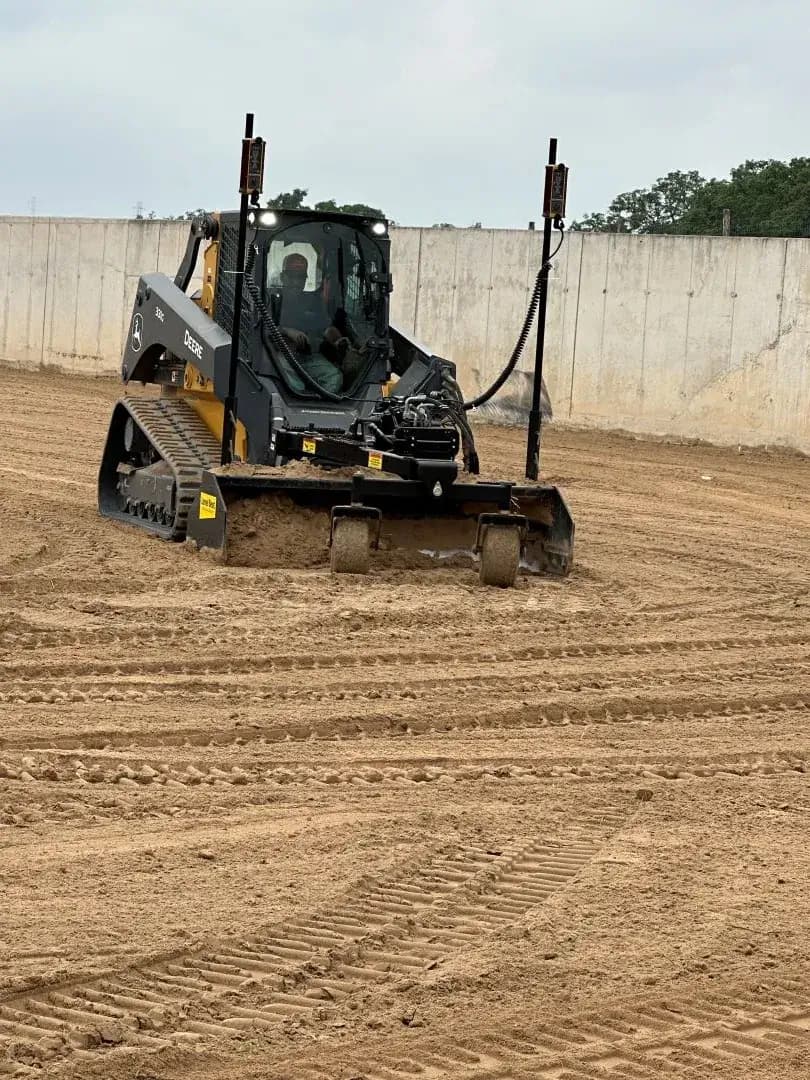
The first NOV most owners ever read is the one for their own property. The notice arrives in the mail, the inspector who issued it is named in the second paragraph, and a 30-day clock started the day the City of San Antonio (or TCEQ, or whichever AHJ wrote the notice) printed the document, not the day you opened the envelope. Three weeks of that month is usually already gone before anyone calls us. Below is what the notice actually means, the three things that usually triggered it, and what the response packet has to contain to close the file on the first round.
What a stormwater NOV actually is
A Notice of Violation is an official finding that one or more of your stormwater controls is not performing the way your permit, your O&M manual, or the city's MS4 ordinance requires. It is not a fine on its own. It is a deadline to produce a written corrective-action response, with photos and a schedule, that the inspector will accept. Miss the deadline or send a thin response, and the file escalates: administrative orders, scheduled compliance hearings, and fines that start at a few thousand dollars and grow per day of continued violation. Every NOV we have closed at first response started with an owner who took the deadline seriously the first week.
The three things that usually triggered it
A failed inspection finding the property already had. The inspector walked the basin, the outfall, or the treatment vault, found the same deficiency that an annual self-inspection should have flagged, and wrote it up. The fix here is structural (the failed BMP), and the response has to show the corrective action, not promise it.
A neighbor complaint that drew an investigation. Sediment on a public street, a discharge plume into a creek, a vault overflowing into the parking lot: somebody called, the city sent an inspector, and the inspector found enough to write a notice. These NOVs are usually broader than the original complaint, because the investigator walks the whole site once they are on it.
A program audit that pulled your records. MS4 audits, post-construction file reviews, and pre-acquisition due diligence reviews all read the same compliance file. When the file is thin (no inspection records for two years, no service records on the treatment vault, no record of the last sediment removal), the audit becomes an NOV against the documentation rather than the BMP itself. These are the easiest to clear on first response and the most embarrassing to receive.
What the response packet has to contain
The inspector who wrote the notice is the person who reads the response. They are not looking for a narrative. They are looking for five things, in order:
- A signed cover letter acknowledging the NOV by case number, the date it was issued, and the deadline. One page.
- A corrective-action plan for every cited deficiency. Each item gets a sentence describing the work, the date it will be completed, and the contractor or staff member responsible. If the work is already done, say so and attach the proof.
- Photo documentation of completed work (before, during, after) with timestamp and GPS where the deficiency was site-specific.
- Updated records for whatever the file was missing. If the NOV cited a gap in inspection records, the response includes the inspection that closed the gap. If it cited a missed service interval, the response includes the service ticket.
- A go-forward maintenance schedule so the next inspector has the calendar in front of them on the next visit. This is the part most owners skip, and the one that most often determines whether the inspector follows up or closes the file.
What to do this week
If the notice landed today, three things happen in the first 72 hours. The inspector named on the notice gets a call confirming receipt and the corrective-action timeline. A stormwater firm walks the site and writes the corrective-action plan against the cited deficiencies. The response packet starts assembling in parallel (cover letter, photo set, records pull), so that nothing is waiting on anything else at day 28. The owners who clear NOVs on first response are the ones who treated week one like the only week that mattered. By week three, the options narrow.
Need help with stormwater compliance on a San Antonio property? We do site walks at no charge.
Request a fixed-price quoteMore field notes from the watershed.
 Field guide · 8 min
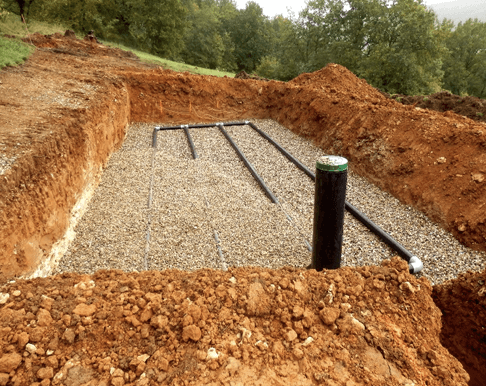
Types of stormwater basins, compared
Detention, retention, infiltration, bioretention, constructed wetlands. What each basin type does, how it's built, and where it earns its keep in Texas, including the two detention variants used over the Edwards Aquifer.
 Maintenance · 6 min
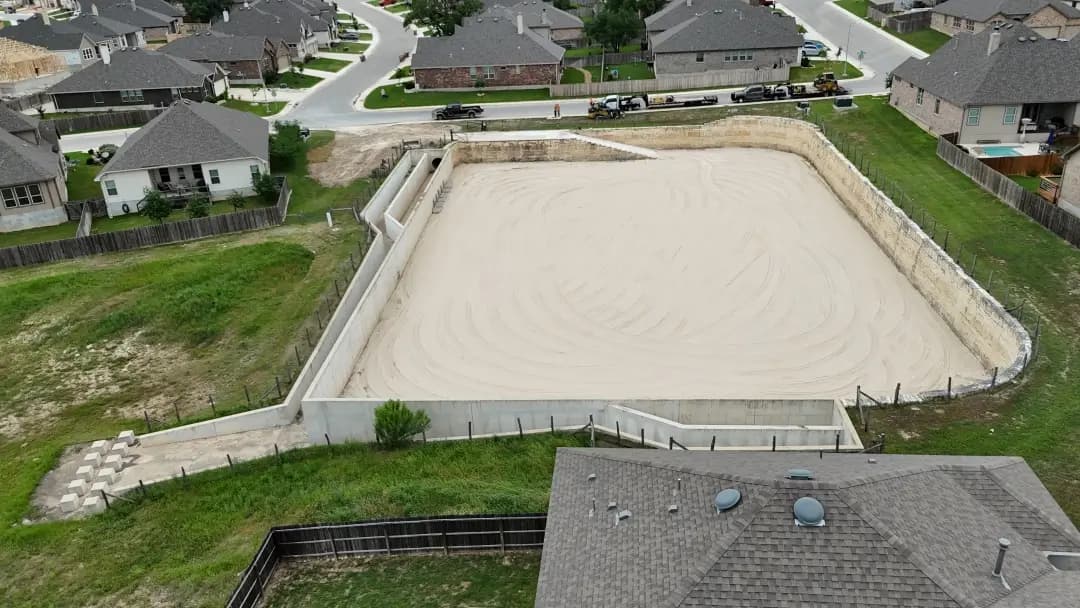
Stormwater basin maintenance in San Antonio: what it covers, what neglect costs
Detention ponds fail quietly. Vegetation thins, inlets clog, walls start to slump, and the first sign is usually water in a parking lot. Here's what basin maintenance covers in San Antonio, how to spot trouble early, and what a neglected pond costs to rebuild.
Get a stormwater
compliance quote.
Free site walk, written scope of work, fixed-price quote. Usually back to you within 48 hours.